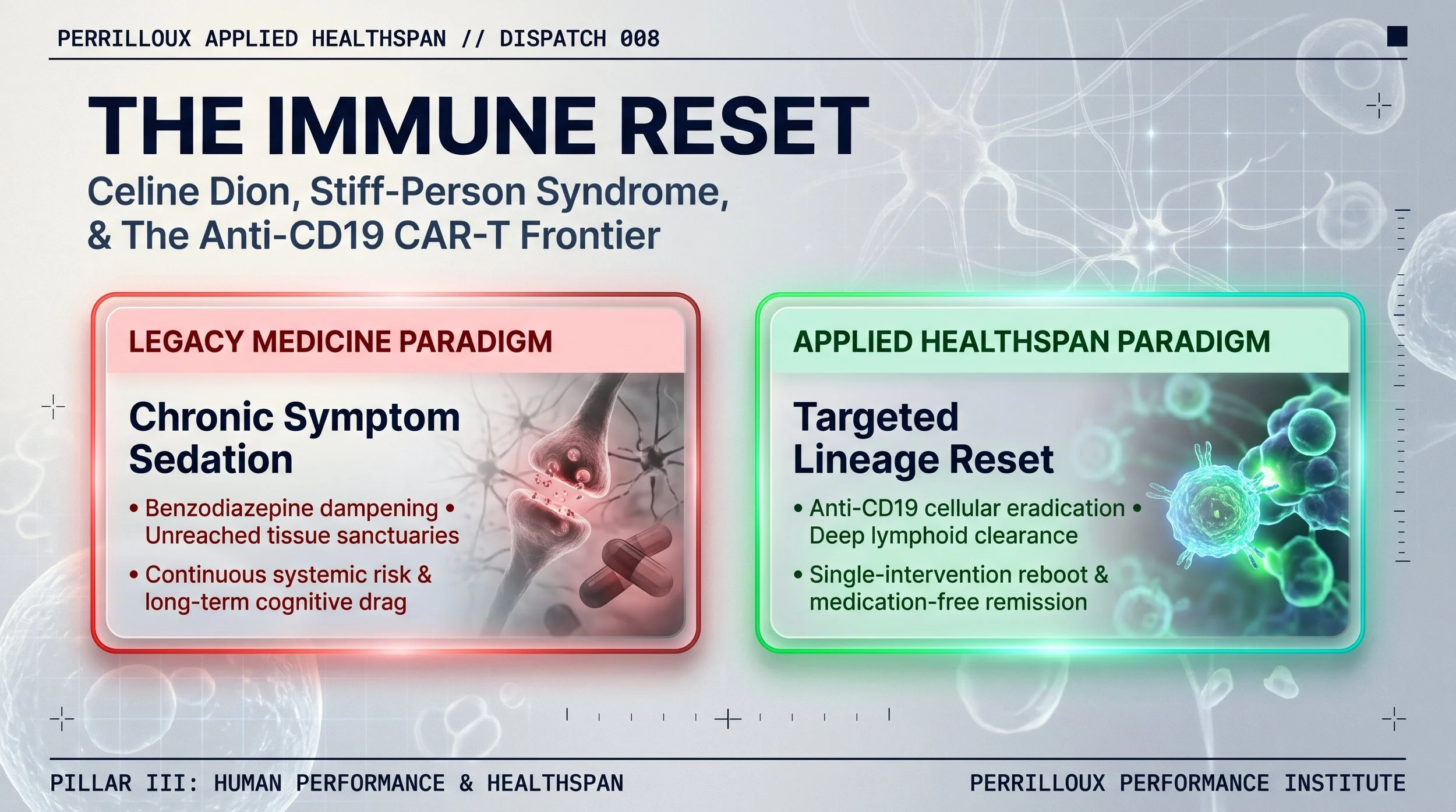
THE IMMUNE RESET: WHAT CELINE DION’S STIFF-PERSON SYNDROME REVEALS ABOUT THE END OF CHRONIC IMMUNOSUPPRESSION
Translating Autologous Anti-CD19 CAR-T Cell Engineering, GABAergic Neurotransmission, and Deep B-Cell Depletion from Oncology to Neurological Autoimmunity.
Author: Darryl M. Perrilloux, CSCS | Executive Director, Perrilloux Performance
Clinical Pillar: Pillar III: Human Performance & Healthspan (with Pillar II & IV Neuromuscular Integration)
Category: Applied Healthspan / Neuroimmunology & Cellular Therapeutics
Time: 7 Minutes
When Celine Dion returned to the Paris stage in late 2026 – nearly four years after she first revealed in December 2022 that she had been diagnosed with Stiff-Person Syndrome (SPS) — most people viewed this comeback as a story of Dion’s determination. However, from a medical performance standpoint, Dion's years-long fight reveals one of the biggest structural shortcomings in legacy medicine. Before the autoimmune cascade that hijacked her nervous system, Celine Dion was an elite singer and physically capable entertainer. Her income depended on extremely precise (microscopic) control of each muscle in the diaphragm, larynx, and axial muscles. But once the autoimmune cascade began attacking her motor braking system with her own immune cells, no FDA-approved treatments were available through conventional healthcare.
Legacy Medicine has treated over 80 recognized autoimmune diseases for many years using a single approach: indefinitely managing patients’ symptoms by dampening them all. Whether it is Lupus, Multiple Sclerosis, Myasthenia Gravis, or Stiff Person Syndrome, the way medicine manages these conditions today is to suppress the immune system entirely, chemically sedate hyperactive nerves in the body, and do so for a patient's lifetime. CAR (Chimeric Antigen Receptor) T-Cell Therapy — an oncology technology — is changing that, moving Clinical Immunology away from a model of long-term chemical suppression of a patient’s immune system to a one-time intervention to reset the body’s immune system.
Mechanism of Action: How Does Stiff-Person Syndrome Hijack Neuromuscular Control?
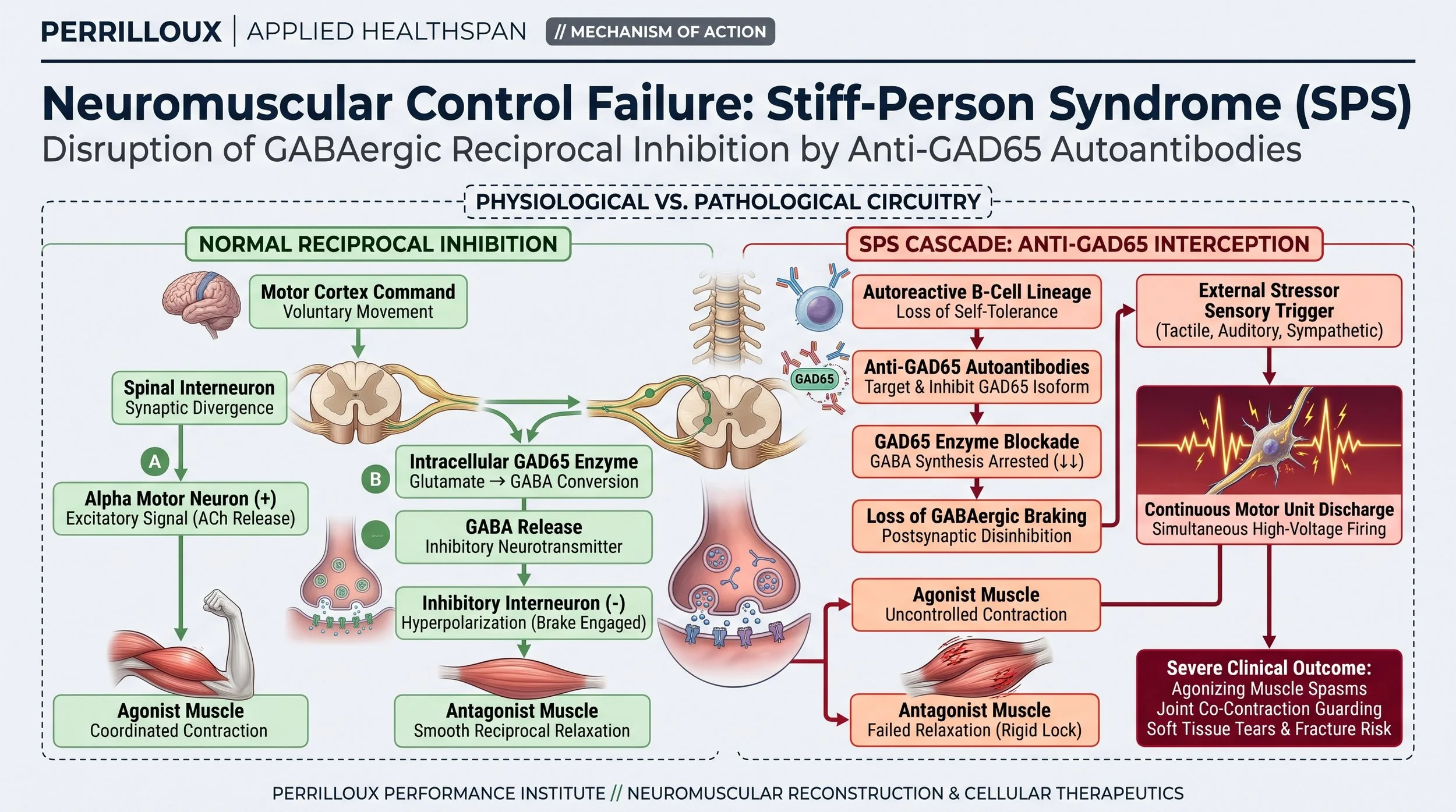
Reciprocal Inhibition is the neurologic mechanism by which all types of fluid motion occur, whether accelerating from a block start as a sprinter, stabilizing a high axial load, or adjusting pitch as a singer. When an agonist (the "contracting" muscle) receives an electrical impulse to shorten, it sends an inhibitory message to its antagonist (the "lengthening" muscle), causing it to lengthen immediately. If this inhibitory (braking) message is absent and both agonists and antagonists are active simultaneously, they will pull equally hard and lock into co-contraction.
The main inhibitory neurotransmitter in both the central nervous system and the peripheral nervous system is gamma-aminobutyric acid (GABA). For this reason, inhibitory neurons require the action of glutamic acid decarboxylase (the GAD65 isoform) to synthesize GABA from its precursor, glutamate. Anti-GAD65 antibodies, produced by at least 70% to 80% of patients with classical Stiff Person syndrome, arise from autoreactive B cells that lose tolerance for self, resulting in high levels of harmful antibodies against the GAD65 isoform. This prevents normal GABA production and disrupts normal functioning of inhibitory neuronal transmission at the synapse.
Deprived of GABAergic inhibition, motor units remain locked in continuous, uncontrolled electrical discharge. Sudden auditory stimuli, physical touch, or acute sympathetic stress can trigger violent, agonizing muscle spasms across the trunk and limbs—generating enough involuntary intramuscular torque to tear soft tissue or fracture healthy bone.
The Braking Architecture:
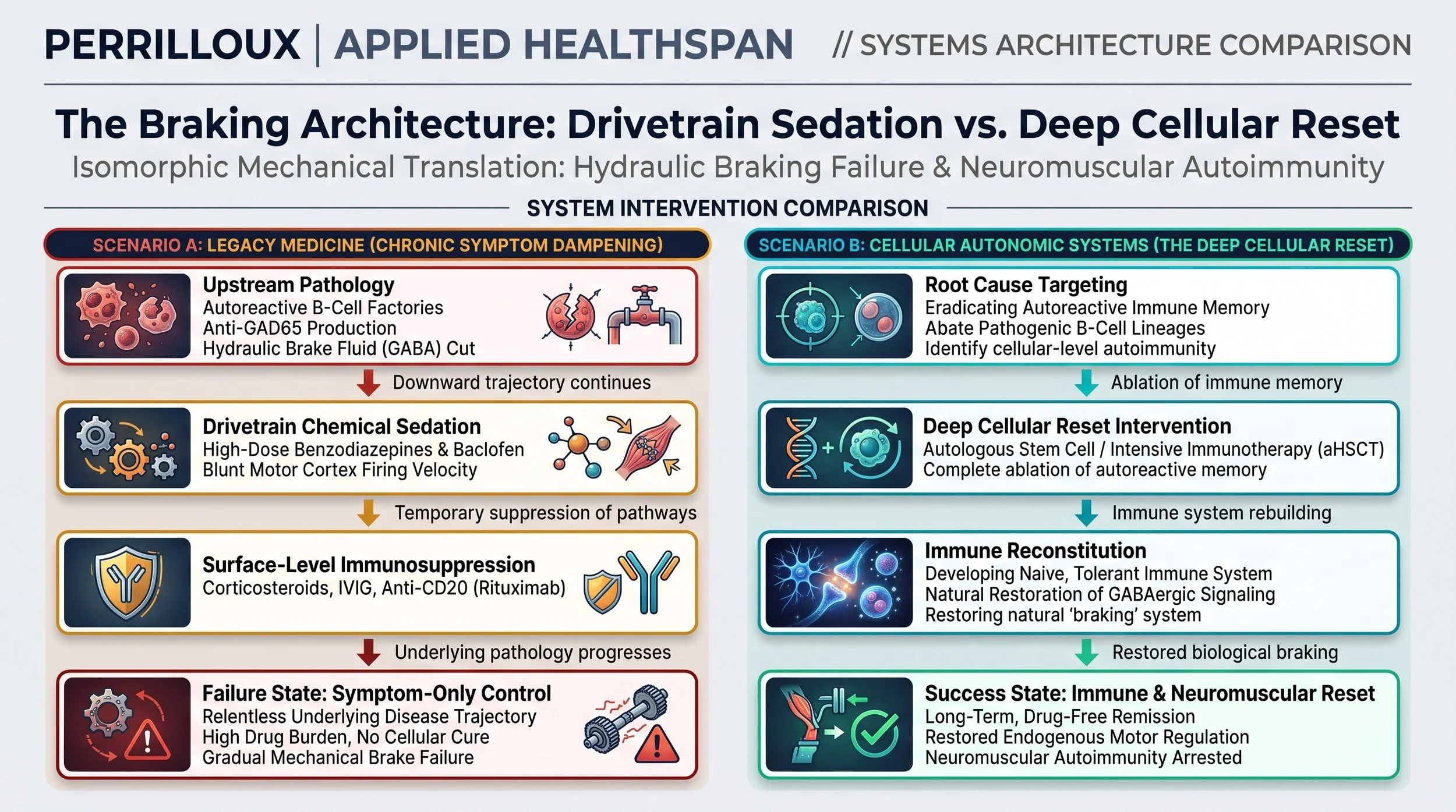
Consider human neuromuscular and immunological control as a high-output vehicle braking system.
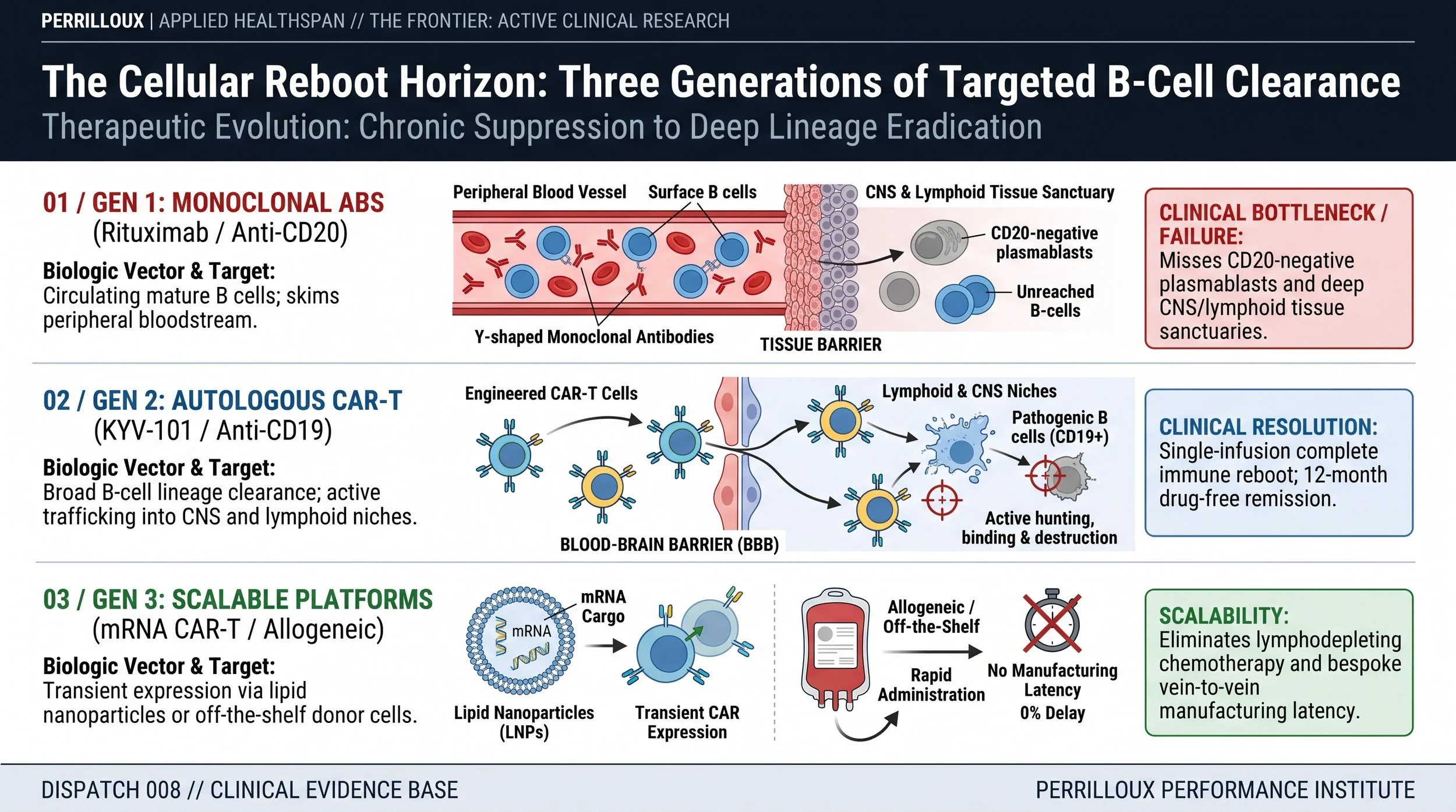
Scenario A: (Legacy Medicine — Chronic Symptom Dampening). A corrupted software loop cuts hydraulic brake fluid (GABA) while holding the accelerator down. Legacy Medicine responds by pouring heavy sedatives across the entire drivetrain—using high-dose benzodiazepines and baclofen to dull central nervous system firing—while administering broad, ongoing immunosuppressants (corticosteroids, intravenous immunoglobulin, or first-generation anti-CD20 infusions) that leave deep tissue-resident rogue B cells alive. The spasms temporarily soften, cognitive velocity drops, systemic infection risk climbs, and the moment medication stops, the disease surges back.
Scenario B: (Applied Healthspan Frontier — Deep Cellular Reset). Rather than drugging the nervous system indefinitely, clinicians extract the patient’s own T cells via leukapheresis, genetically engineer them to hunt the CD19 protein expressed across pathogenic B-cell lineages, and re-infuse them as living, self-replicating search-and-destroy agents. These CAR-T cells penetrate deep lymphoid tissues and central nervous system niches to completely clear the autoreactive B-cell factories. Once the rogue lineage is eliminated, the bone marrow repopulates with fresh, naive B cells—rebooting immune tolerance from the ground up.
The Perrilloux Protocol: Neuro-Immunological & Autonomic Translation
CAR T-cell therapy is a short-term, in-hospital treatment for patients with severe, unresponsive disease. However, there are important clinical and physiological lessons from Stiff Person's Disease that can be applied to successful professionals and athletes. Autoimmune inflammation and muscle stiffness typically do not develop rapidly; as many autoimmune neurologists will attest, autoimmunity often develops slowly over years before being correctly diagnosed, often because other medical issues such as stress, tight muscles/orthopedics, or non-specific functional disorder(s) are present. To optimize long-term systemic performance, it is essential to detect inflammatory drift and proactively train your body's regulatory inhibitory pathways to help control excessive nerve excitability.
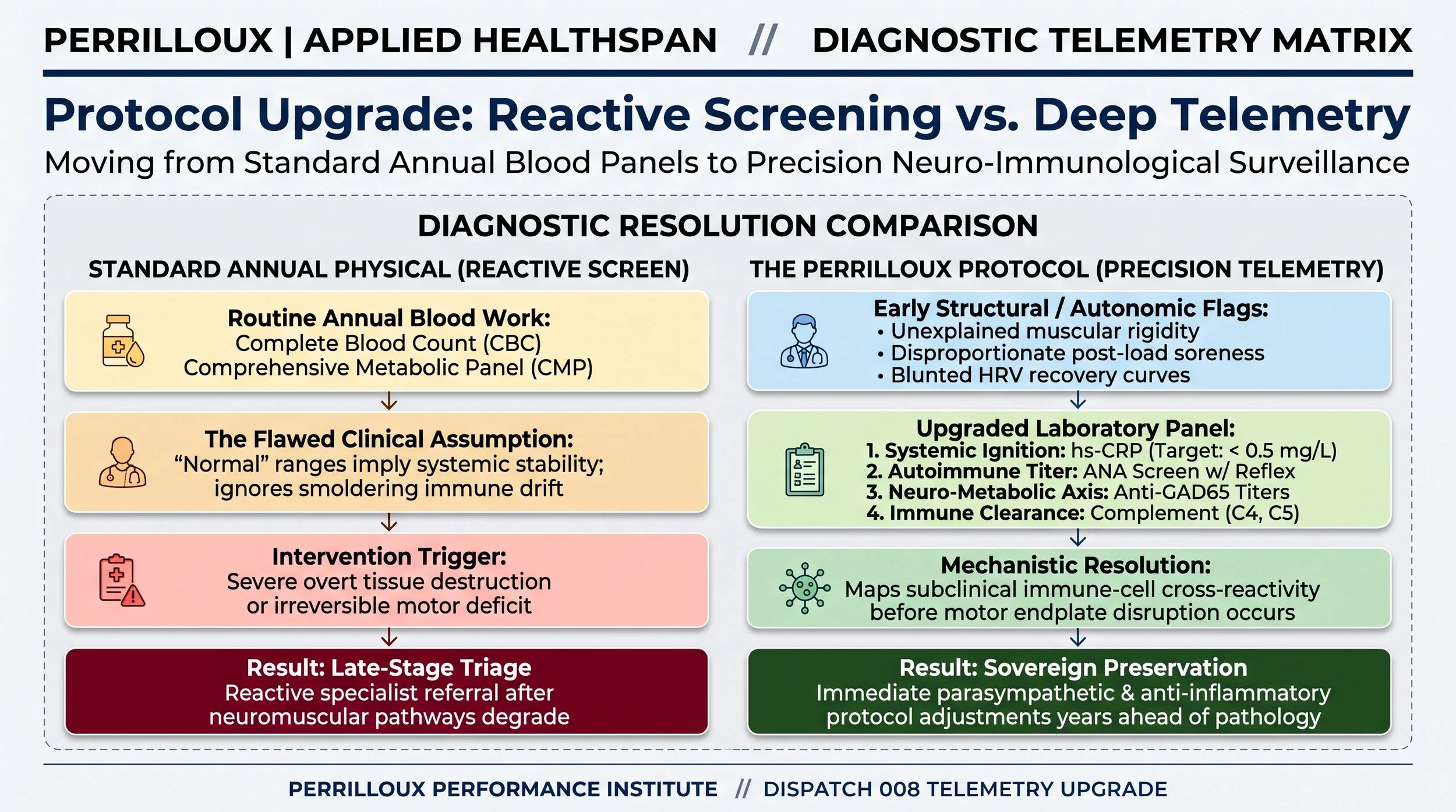
1. Laboratory Test Upgrade (The Telemetry Check):
Annual physicals often check only basic blood counts unless severe tissue injury or muscle weakness warrants specialty testing. If you have chronic muscle stiffness, unusual post-training soreness, or autonomic fatigue, ask your primary care physician whether an expanded panel is appropriate to assess inflammation and autoantibodies. It may include hs-CRP, an ANA screen with reflex testing, and targeted testing for neurological or metabolic autoantibodies—such as GAD65—when clinical signs support their evaluation. Complement proteins (C4 and/or C5) may also help assess autoimmune activity. This can make testing more targeted than routine "shot-in-the-dark" screening.
2. Baseline Calibration (The Targets):
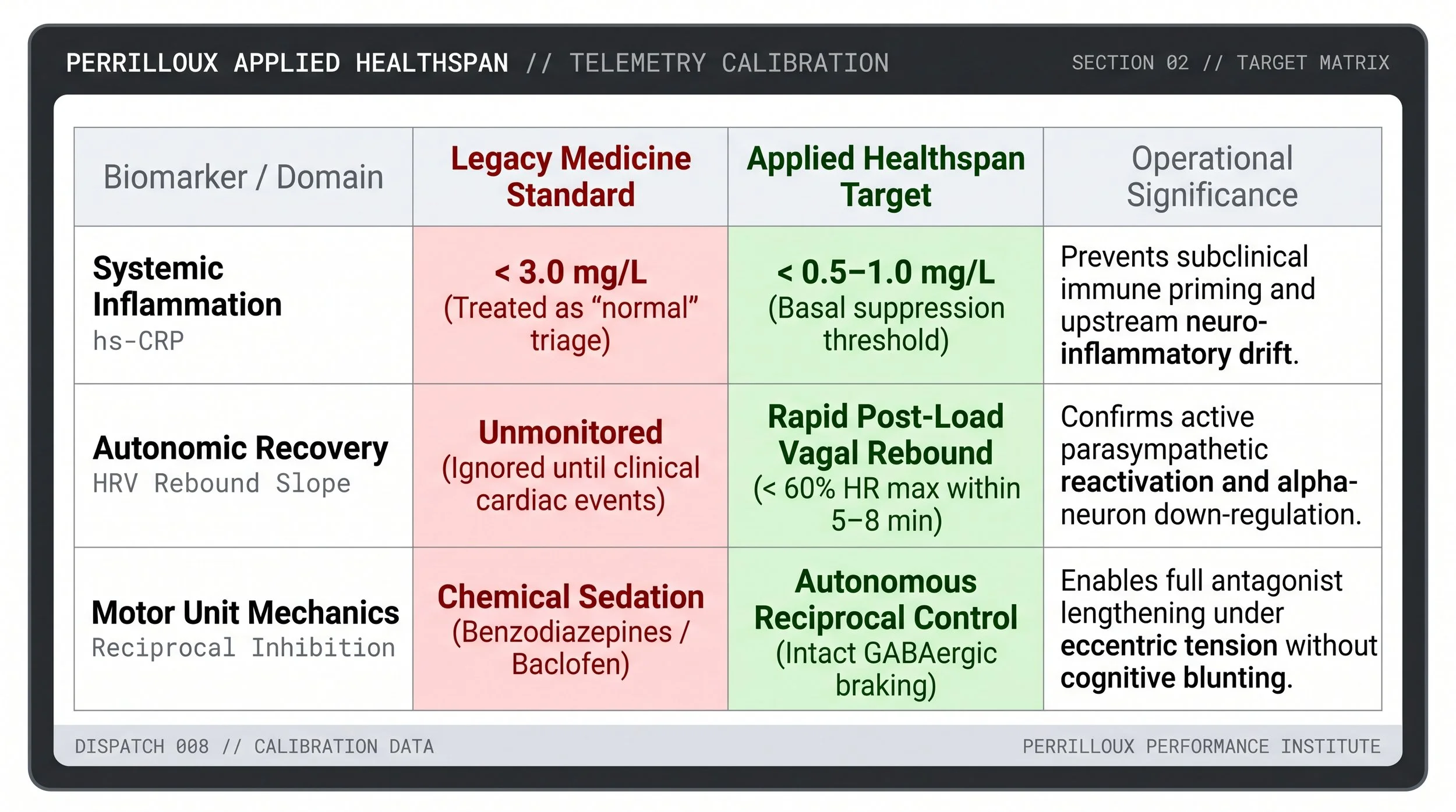
3. Structural & Autonomic Strategy: Training the Neural Brake Pedal
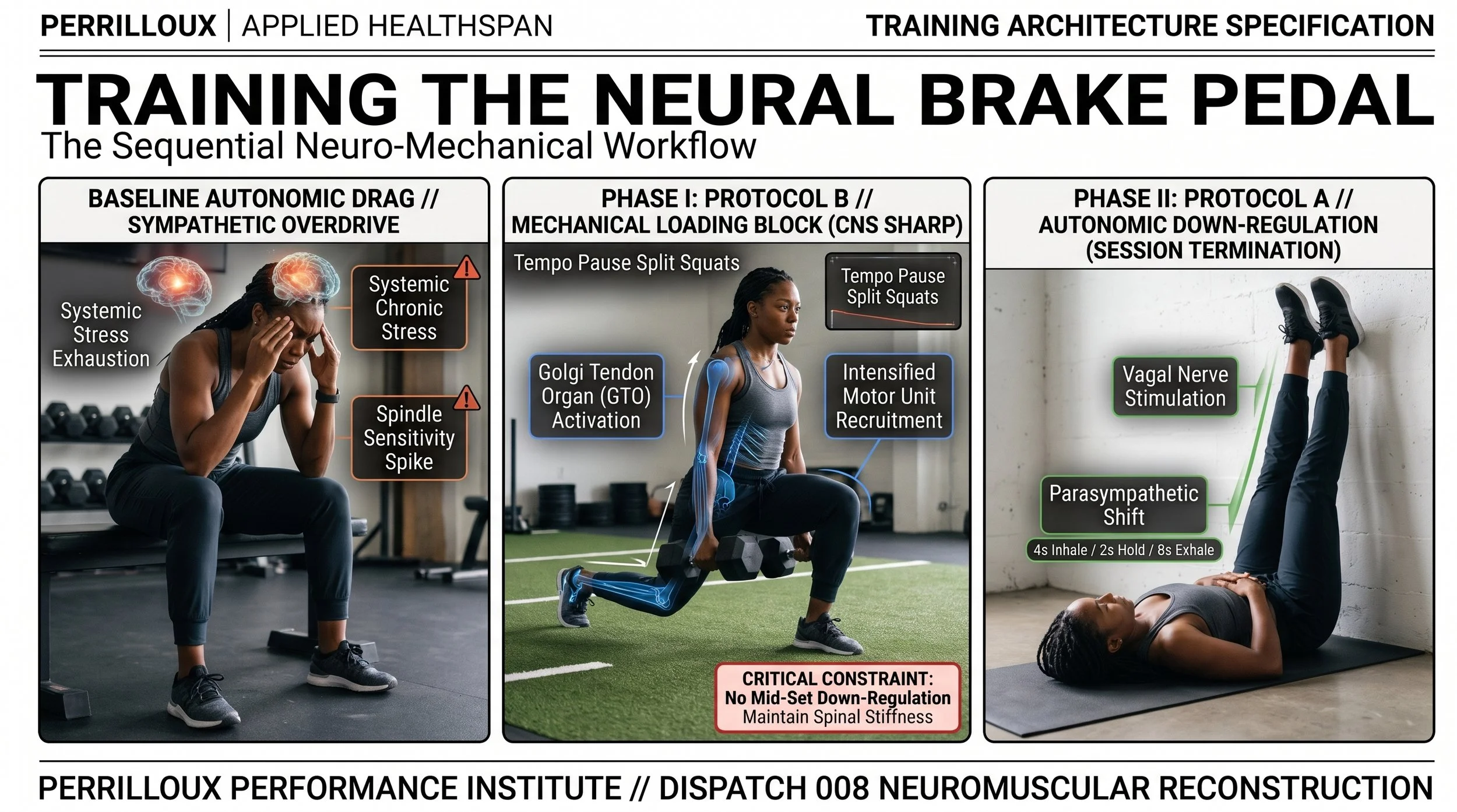
In healthy athletes and high-performance operators, repeated sympathetic activation can create an atypical form of impaired reciprocal inhibition that is generally milder in its impact. When systemic stress results in constant elevation of plasma catecholamine levels throughout the day, muscle spindles become more sensitive; the normal low level of resting tension increases, and when antagonistic muscles move at high velocity, they do not fully shut down—preparing the ground for chronic non-contact (overuse) tears of muscle and chronic spinal locking. Thus, training should be programmed to develop both force output and neural braking.
Protocol A: Exhale-Biased Vagal Braking (Autonomic Down-Regulation)
Physiological process: Sympathetic activity increases motor-unit excitability and startle-reflex gain. Prolonged, controlled exhalation stimulates arterial baroreceptors and vagal afferents to the brainstem, increasing parasympathetic tone and reducing alpha motor neuron background activity after intense effort.
Execution: Immediately after the final set of each high-cognitive function training protocol, lie supine with hands resting and feet raised 90 degrees; breathe diaphragmatically.
Dosage: Breathe only through the nose for 5–8 minutes, using a 1:2 inhale-to-exhale ratio: inhale for 4 seconds, exhale for 8, then pause for 2 seconds.
Resuming training: Do not resume high-cognitive function training until heart rate is below 60% of age-predicted maximum and respiratory rate is below 8 breaths per minute.
Protocol B: Tempo Eccentric & Isometric Reciprocal Control (Mechanical Braking):
Biological Mechanism: Rapid, high-repetition, fatiguing training degrades intermuscular coordination and triggers protective co-contraction guarding. Supramaximal, controlled eccentric lowering with end-range isometric pauses teaches the central nervous system to smoothly lengthen tissue under heavy load rather than locking up defensively via GTO autogenic inhibition.
Exercise Selection: 1-2 compound movement patterns that emphasize full structural movement of all joints (tempo-pause split squat, controlled-eccentric Romanian deadlift).
Dosage Sets/repeats: 3-4 work sets per exercise pattern, performing a strict 5-second eccentric lowering phase and a motionless 2-second anatomical end-range pause before returning at 70-75 percent of one-rep max.
Refractory period (Rest): 2.5 minutes between each set of eccentric exercises to allow fine motor-unit relaxation timing to not be distorted by lactic acid accumulation.
The Neuro-Mechanical Sequence: High-Output First, Autonomic Braking Last
Perform Protocol B during the active mechanical loading block of your training session, when motor cortex drive is strong (sharp), and perform Protocol A at the conclusion of your training session. Do not place a deep parasympathetic breathing drill after a very heavy axial set, as premature downregulation of sympathetic tone can decrease spinal stiffness and compromise joint stability under load. Develop maximal tension on purpose during the training session and intentionally "brake" the nervous system to prepare for exiting the training floor.
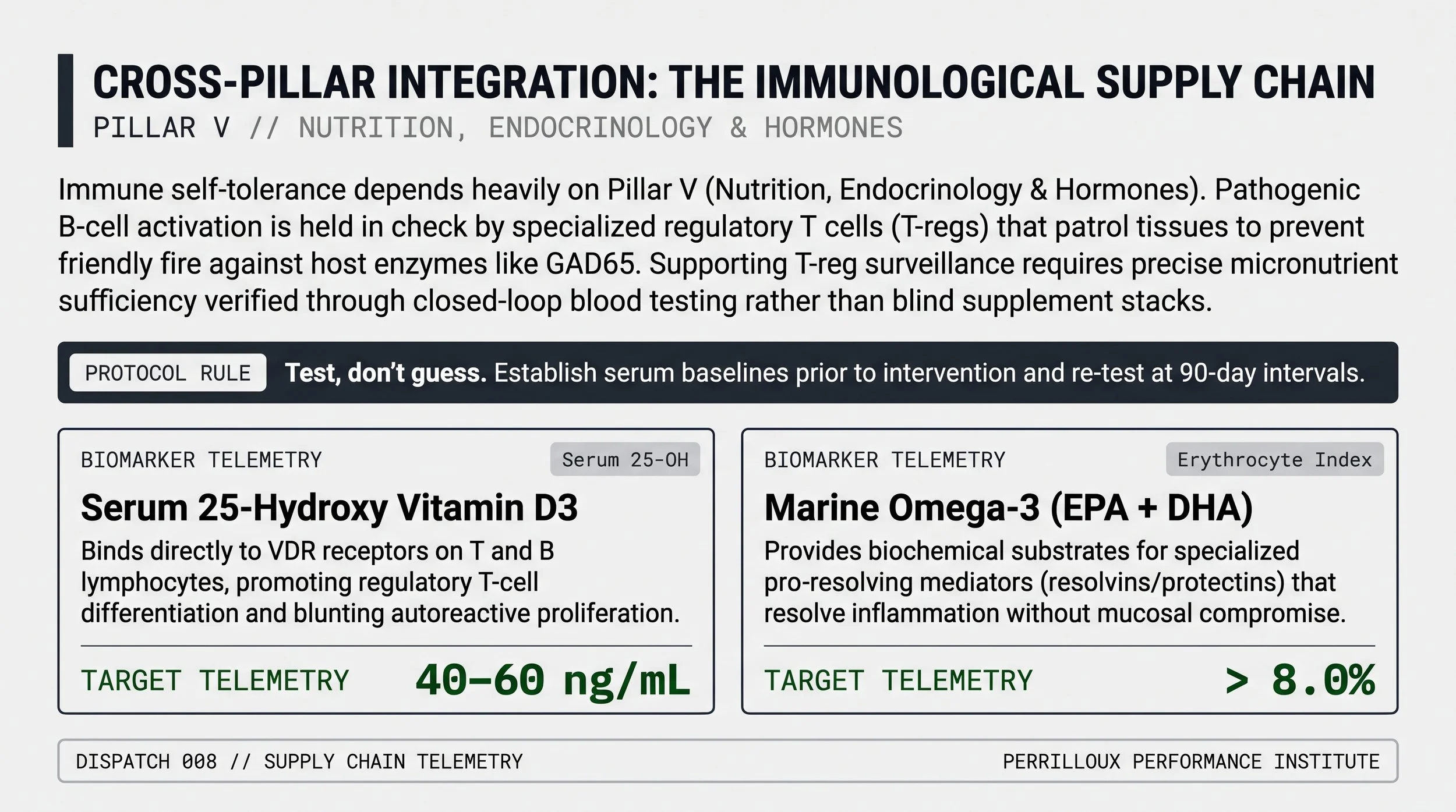
Cross-Pillar Integration: The Immunological Supply Chain
The Frontier: Active Clinical Research
The clinical immunology landscape is undergoing its biggest transformation in half a century, shifting from monoclonal antibodies that merely skim the bloodstream to living cellular therapies that reset deep-tissue immunity.
APPENDIX: THE CLINICAL EVIDENCE BASE
Dalakas, M. C. (2023). "Therapies in Stiff-Person Syndrome: Advances and future prospects based on disease pathophysiology." Neurology: Neuroimmunology & Neuroinflammation.
Clinical Data: Establishes how anti-GAD65 autoantibodies impair GABAergic inhibitory pathways, generating continuous motor-unit firing, and explains why conventional anti-CD20 therapies fail to eradicate deep antibody-secreting B-cell clones.
Translation Architecture: Highlights why symptomatic sedation never resolves root neuromuscular pathology, reinforcing the distinction between central nervous system dampening and root-cause immunological clearance.
Piquet, A. L., et al. (2025/2026). "KYSA-8 multicenter investigation of autologous anti-CD19 CAR T-cell therapy (KYV-101) in refractory Stiff-Person Syndrome." American Academy of Neurology / Registrational Trial Data.
Clinical Data: Demonstrates that a single anti-CD19 CAR-T infusion produced clinically meaningful reversals in stiffness, disability scores, and ambulation at 16 weeks with 12-month immunotherapy-free durability in refractory SPS cohorts.
Translation Architecture: Validates the shift from chronic Legacy Medicine maintenance pharmacology toward deep cellular reset engineering.
The Bottom Line for High-Performing Professionals & Elite Athletes
Our physical and mental outputs depend on two parts of the body's “invisible" operating system: fluid neuromuscular function and self-tolerant immunity.
The Professional: Chronic low-grade inflammation and persistent fight-or-flight activation can gradually impair clear thinking, sometimes years before an autoimmune or neurologic diagnosis. Tracking inflammation with high-sensitivity biomarkers and deliberately activating the rest-and-digest response may help preserve cognitive clarity and long-term immune health.
The Elite Athlete: Maximum strength matters only when paired with rapid, controlled neuromuscular relaxation. If the nervous system cannot quickly stop antagonist muscle activity, athletes train with their emergency brakes partly engaged, wasting energy and increasing the risk of non-contact soft-tissue injuries.
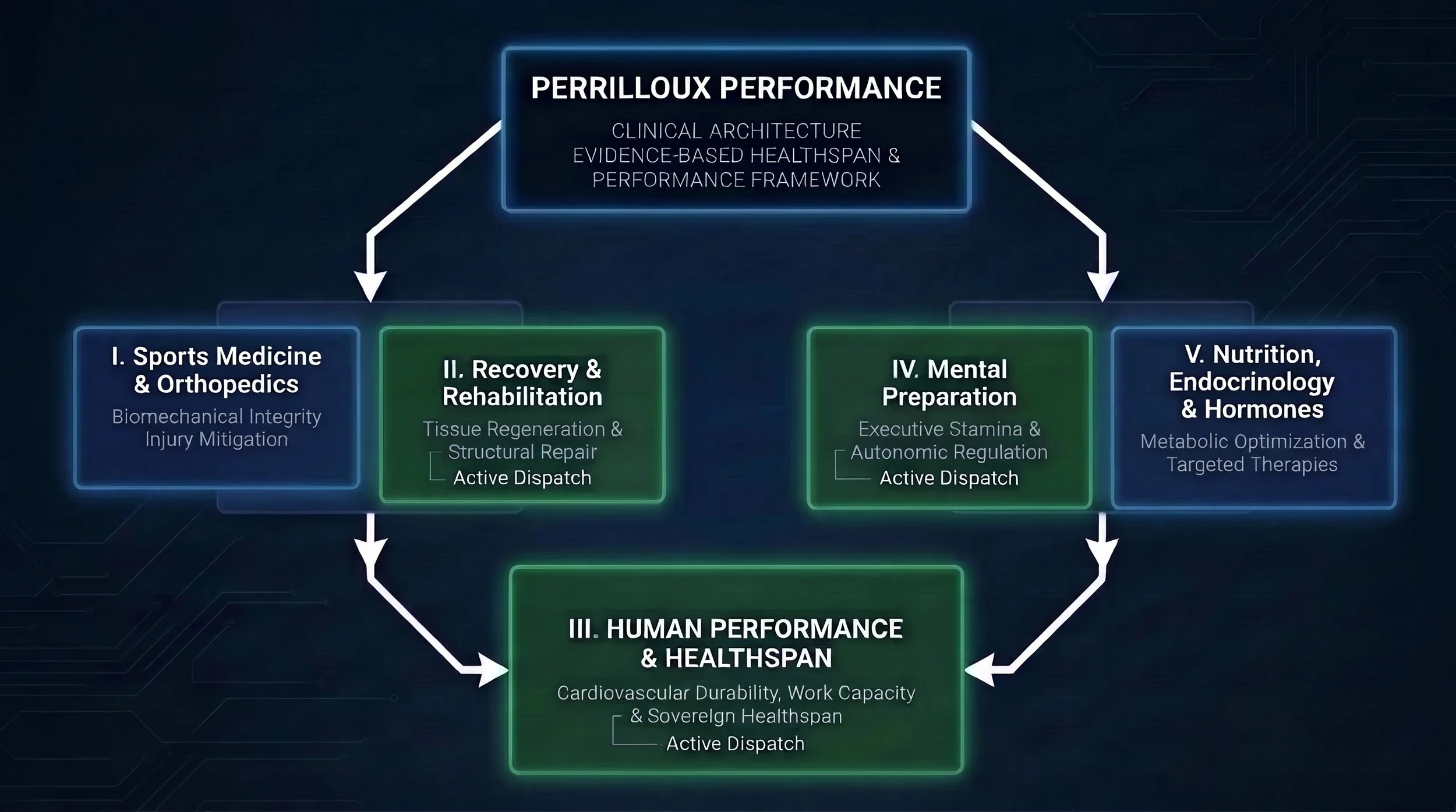
PERRILLOUX PERFORMANCE: CLINICAL ARCHITECTURE
This dispatch represents an active operational module within the Five Core Pillars of the Perrilloux Performance clinical architecture.
[ ] I. Sports Medicine & Orthopedics (Biomechanical integrity & injury mitigation)
[X] II. Recovery & Rehabilitation (Tissue regeneration & structural repair)
[X] III. Human Performance & Healthspan (Cardiovascular durability & bioenergetics)
[X] IV. Mental Preparation (Executive cognitive stamina & autonomic regulation)
[ ] V. Nutrition, Endocrinology & Hormones (Metabolic optimization & targeted therapies)